Understanding Data Estate: The Foundation for Successful Data Modernization

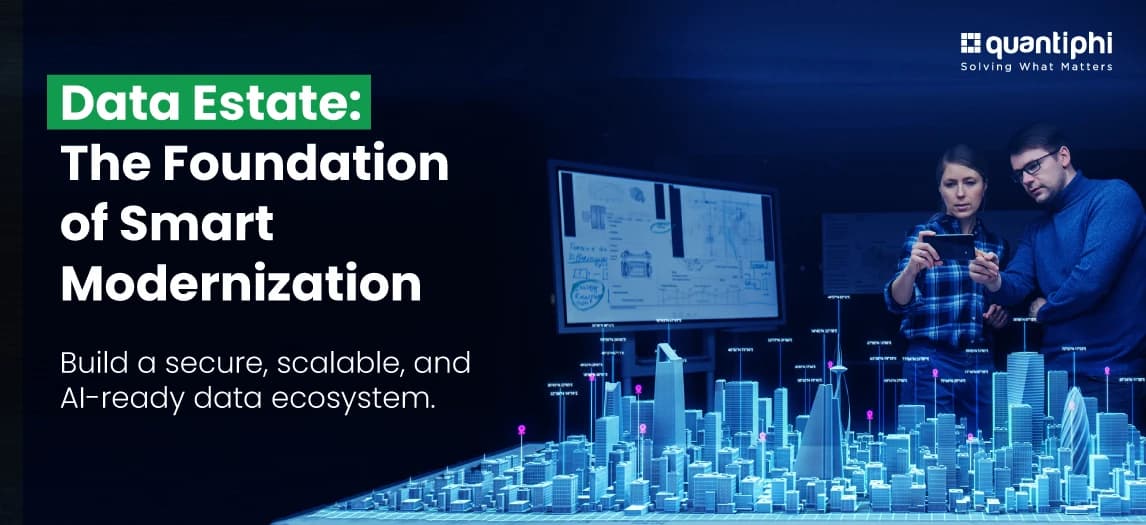
In today’s hyperconnected world, data is no longer just a byproduct of operations—it’s the lifeblood of modern business. Yet for many enterprises, data remains scattered across legacy systems, cloud silos, and underutilized lakes. The result? Missed insights, delayed decisions, and costly inefficiencies. To move beyond this data sprawl, organizations must reimagine the foundation itself—their data estate. It’s not just about infrastructure. It’s about building a future-ready architecture that fuels AI, automation, and strategic decision-making at scale.. But what exactly is a data estate, and why does it matter?
What is a Data Estate?
A data estate encompasses the full ecosystem of an organization’s data assets, storage systems, processing frameworks, and governance protocols. It includes structured and unstructured data, on-premise and cloud storage, databases, data lakes, and analytics platforms.But a modern data estate isn’t just a repository—it’s a living, evolving system designed to power intelligent outcomes. When optimized, it becomes the cornerstone of digital transformation and enterprise agility.
Why Your Data Estate Is Central to Data Modernization
Data modernization aims to transform legacy data architectures into scalable, secure, and high-performance environments. A well-structured data estate is fundamental to achieving this transformation, enabling organizations to:
- Centralize Data Management: Consolidate data silos for seamless access and integration.
- Improve Data Governance & Security: Ensure compliance with regulatory standards and enhance data privacy.
- Enhance Scalability & Performance: Leverage cloud and hybrid infrastructures for optimized storage and processing.
- Enable Advanced Analytics & AI: Support data-driven decision-making with AI and machine learning capabilities.
Key Components of a Modern Data Estate
To build a resilient and future-ready data estate, organizations should focus on the following components:
- Data Storage & Infrastructure: Adopt cloud and hybrid storage solutions for flexibility and cost-effectiveness.
- Data Integration & Management: Implement robust ETL (Extract, Transform, Load) processes and metadata management for better accessibility.
- Data Governance & Security: Establish policies, compliance measures, and access controls to safeguard sensitive data.
- Data Processing & Analytics: Utilize modern data platforms like data lakes, warehouses, and AI-driven analytics tools to derive actionable insights.
- Automation & AI Integration: Enhance efficiency with automated workflows, AI-powered data cleansing, and real-time analytics.
Challenges in Data Estate Modernization You Can’t Ignore
Modernizing a fragmented data estate is complex. Common challenges include:
- Legacy System Complexity: Migrating from outdated architectures to modern solutions requires careful planning.
- Data Silos & Inconsistencies: Disparate data sources create integration challenges that hinder data accessibility.
- Compliance & Security Risks: Meeting industry-specific regulatory requirements while modernizing data systems is critical.
- Scalability Concerns: Ensuring that the infrastructure can support growing data volumes and evolving business needs.
Best Practices for Optimizing Your Data Estate
To ensure a successful data estate transformation, businesses should:
- Assess & Map Current Data Assets: Conduct a comprehensive audit of existing data sources, infrastructure, and dependencies.
- Define a Cloud-First Strategy: Leverage cloud-native solutions to enhance scalability and agility.
- Prioritize Data Governance & Compliance: Establish clear policies for data security, privacy, and regulatory adherence.
- Invest in AI & Automation: Enhance data processing and analytics with AI-driven solutions to improve efficiency and accuracy.
- Adopt a Phased Implementation Approach: Gradually modernize legacy systems to minimize disruption and ensure seamless adoption.
Ready to transform your data estate? Learn how our Data Modernization solutions can help.
A Modern Data Estate Is More Than Architecture, It’s Strategic Leverage
A well-structured data estate lays the groundwork for comprehensive data modernization, enabling organizations to transition from outdated data environments to advanced, AI-powered ecosystems. By ensuring seamless data accessibility, enhanced governance, and optimized performance, businesses can unlock new opportunities for innovation and operational efficiency.
As enterprises embark on their data modernization journey, a robust data estate becomes the foundation for success. By adopting modern architectures, governance frameworks, and advanced analytics, businesses can transform their data landscape and drive digital transformation. Investing in a modernized data estate today paves the way for a data-driven, future-ready enterprise.
Quantiphi’s Perspective: Powering Data Estates That Solve What Matters
At Quantiphi, we help enterprises reimagine their data estates through a robust data modernisation strategy, transforming them into intelligent ecosystems that drive growth, innovation, and responsible AI adoption. From data strategy and cloud migration to AI-driven orchestration and platform modernization, we partner with forward-looking enterprises to deliver data estates that are:
- Intelligent by Design: Built with embedded AI agents that automate workflows, detect patterns, and drive predictive intelligence.
- Secure by Default: Architected with industry-leading compliance, data privacy, and lineage tracking.
- Future-Ready: Designed to scale seamlessly across business units, cloud platforms, and evolving needs.
By aligning every layer—from infrastructure to intelligence—with the principles of solving what matters, we ensure that your data estate doesn’t just support transformation, it leads it.