What are the Principles of Responsible AI?
To ensure AI systems are developed and used responsibly, these principles provide a framework for transparency, fairness, privacy, and societal well-being. By adhering to these guidelines, organizations can implement AI in a way that fosters trust, mitigates risks, and promotes positive outcomes for individuals and communities across various sectors. By implementing rigorous standards and best practices, Quantiphi aims to demystify AI processes, making them more transparent and understandable.
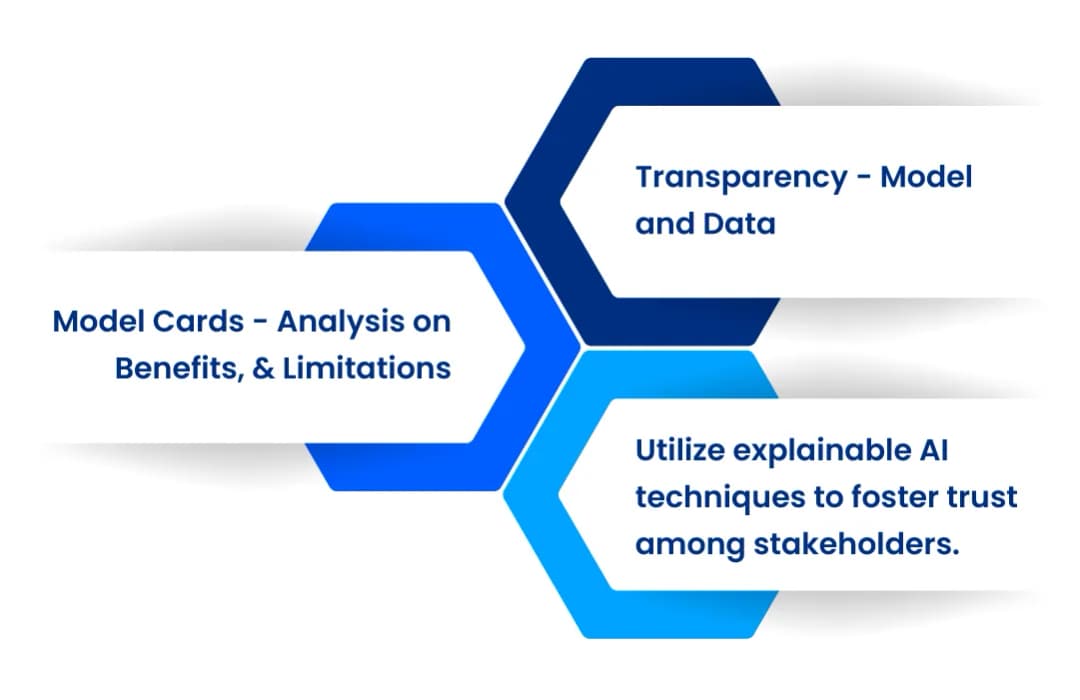
Responsible AI practices must be transparent and explainable to ensure trust, accountability, and fairness. Transparency helps stakeholders understand AI decisions, building trust and reducing bias fears. Explainability allows scrutiny of AI processes, crucial for error correction, bias mitigation, and regulatory compliance.
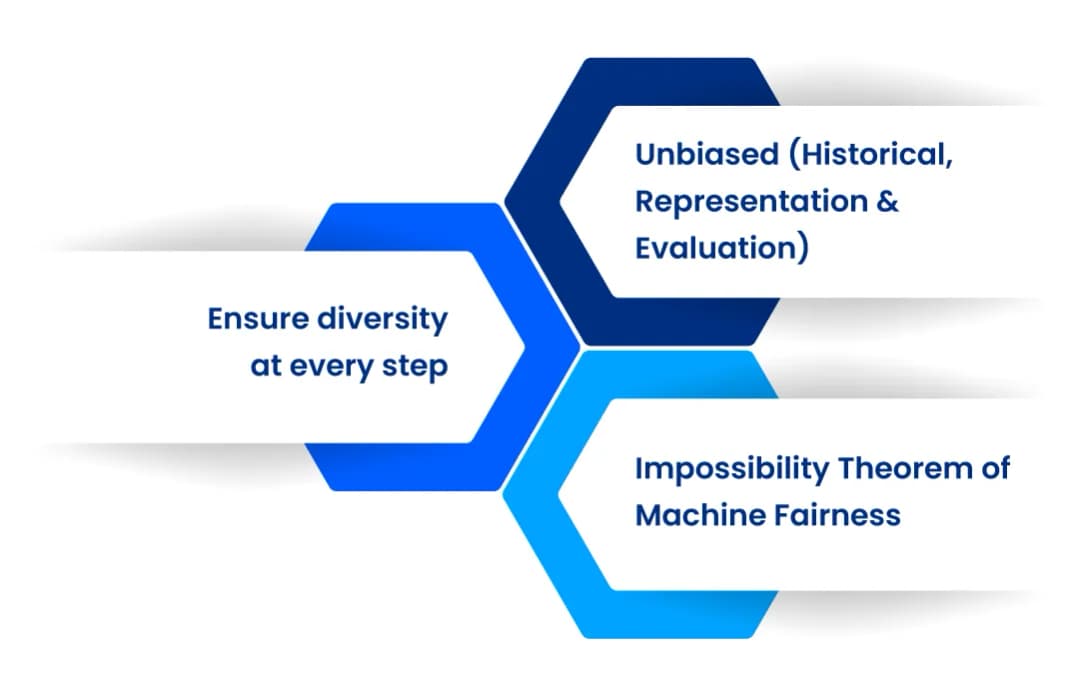
Establish diversity at every step of data handling and maintain similar diversity during data annotation, aiming to include people from all backgrounds, age-groups, and ethnicities.
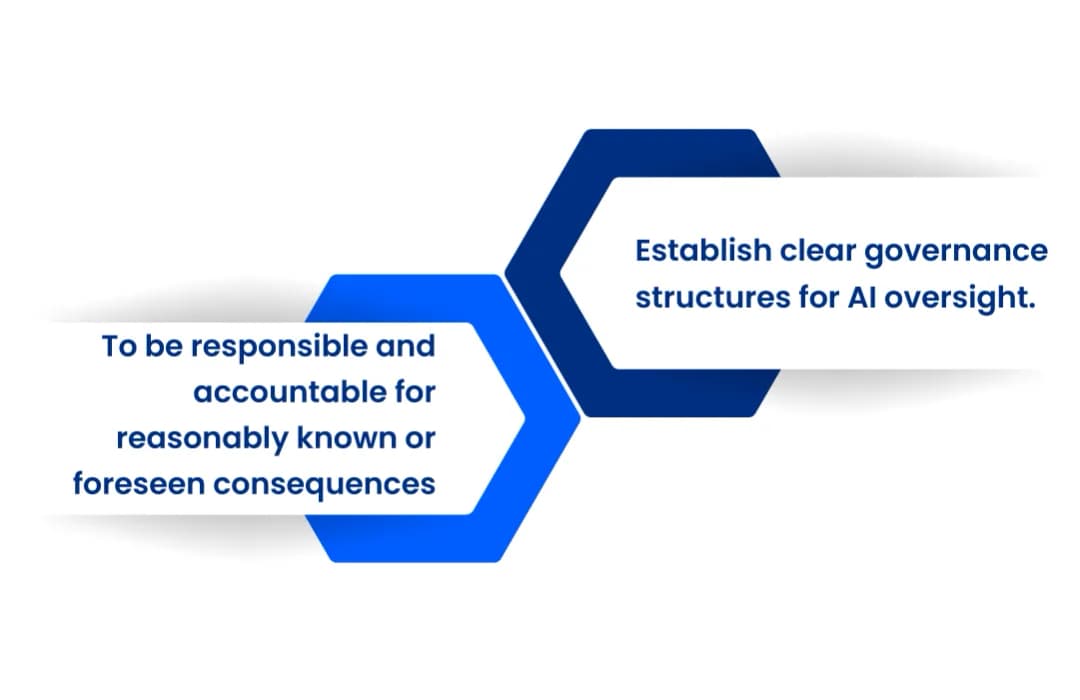
Governance and accountability in AI ensure ethical and responsible use. Governance provides oversight and regulatory compliance, while accountability holds entities liable for their actions. Together, they promote trust, transparency, and fairness, preventing misuse, bias, and unintended consequences, ensuring AI aligns with societal and regulatory standards.
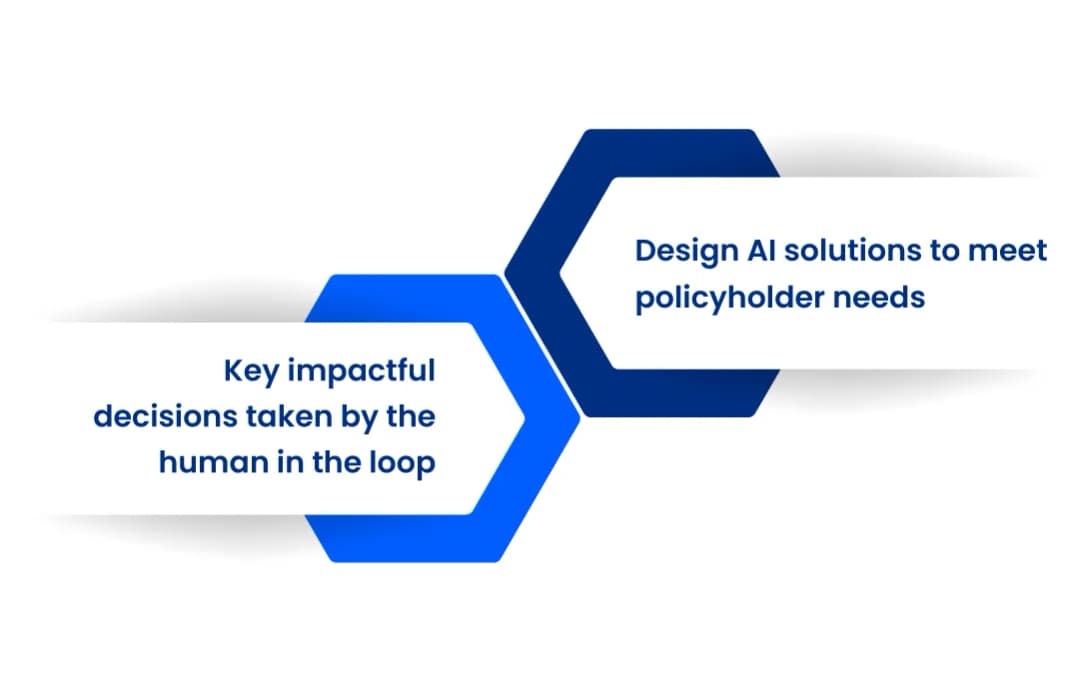
Ensure that the most impactful decisions are taken by people using human-in-the-loop design principles, making the implementation process human-centric.
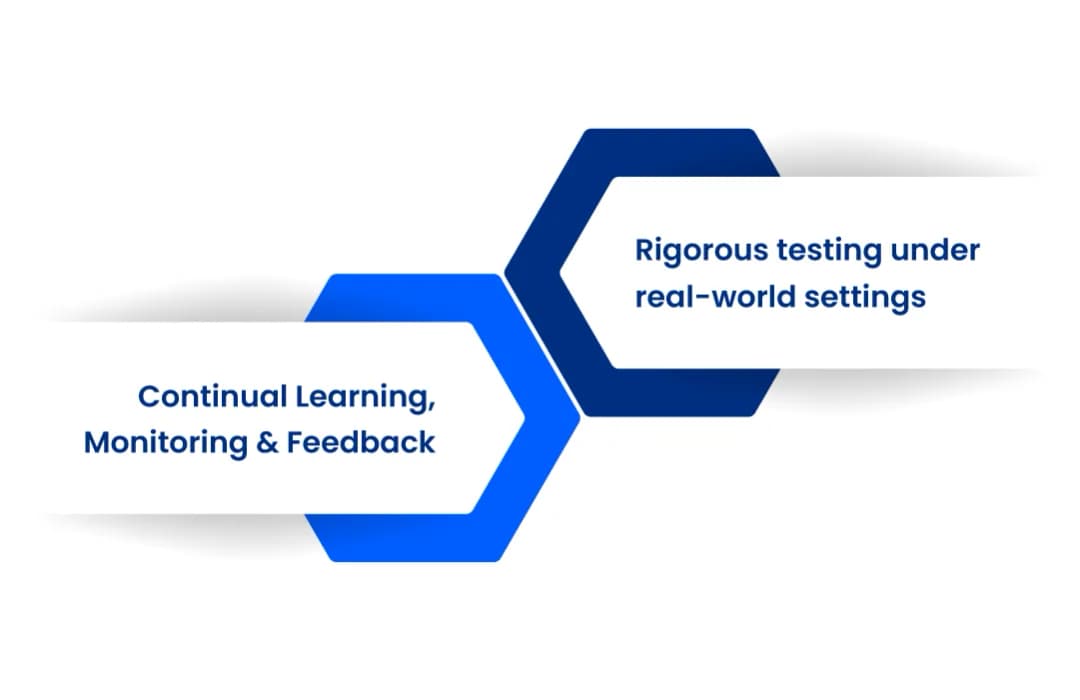
AI systems must be robust in performance, speed, scalability, and safety. They should be rigorously tested across multiple metrics and evaluated in complex, real-life simulations to ensure reliability. Ensuring safety and robustness prevents failures, mitigates risks, and promotes trust and effective deployment.
Collaborate with the scientific community to advance state-of-the-art techniques and validate the truthfulness and generalization of the AI systems being built at scale.
Develop and deploy AI systems in secure and conducive environments, both for data collection and storage. Follow best practices while dealing with the security and privacy of data used by these systems.
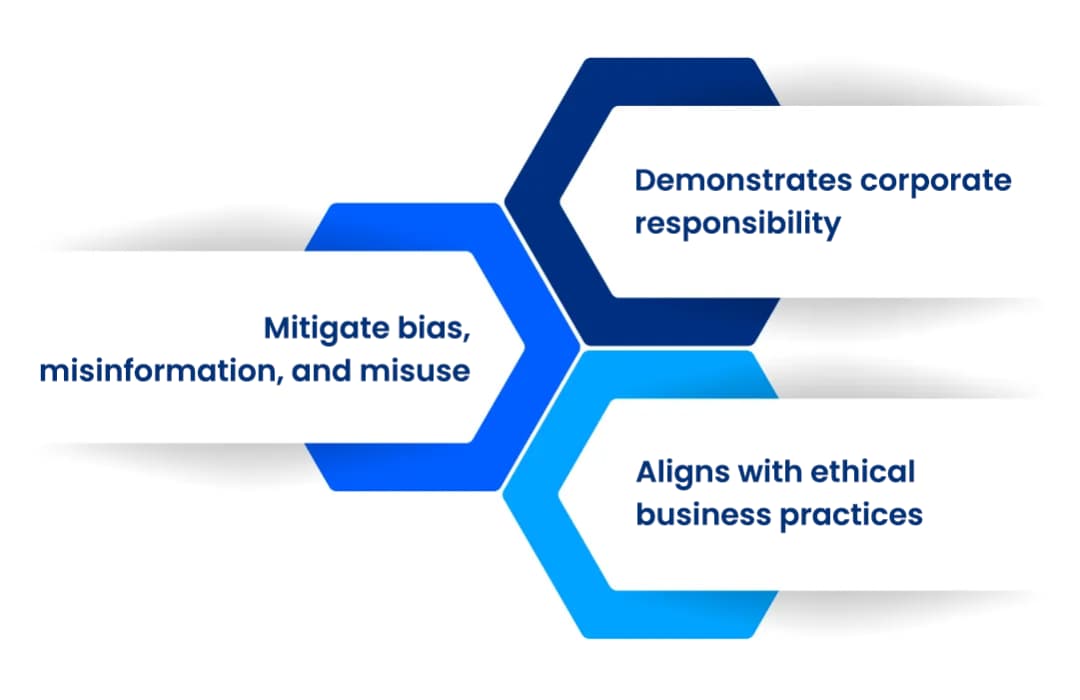
Having socially beneficial AI systems is crucial for companies as it fosters trust, enhances brand reputation, and ensures long-term sustainability. AI and ML should be used to build solutions and tools that positively impact society by addressing the most pressing challenges. AI systems can be used to safeguard businesses and communities against potential threats.